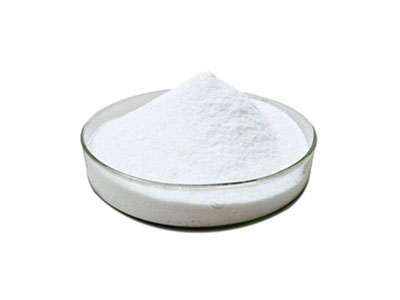
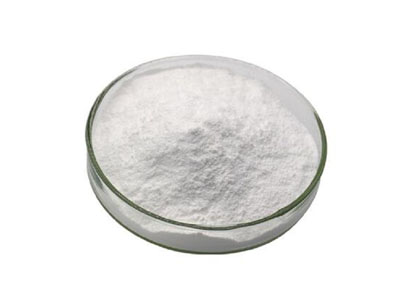
Adipic acid
CAS: 124-04-9
Package: 1000kg per bag
Origin: Made in China
Category: chemical raw material
Contact us
- No.420 Zhonghua Road,Qinghuai District, Nanjing,China 210001
- 008618005174481
- Mr.Sam
- sales@nanjingchem.com

Product Introduction
Adipic acid Introduction |
| Adipic acid is an important organic dicarboxylic acid, white crystalline, odorless, and easily soluble in water. It is not only a key raw material for nylon 66, but also widely used in various fields such as lubricants, plasticizers, food acidifiers, pharmaceuticals, fragrances, and dyes. |
Adipic acid applications |
| Adipic acid (also known as adipic acid) is the most important aliphatic dicarboxylic acid, with its core applications primarily focused on three major fields: nylon 66, polyurethane, and plasticizers (accounting for over 90% of total consumption). Additionally, it has specialized applications in food, medicine, degradable materials, and other fields, making it a core intermediate in the chemical and material industries. Core mainstream applications 1. Production of nylon 66: Adipic acid and hexamethylenediamine undergo polycondensation to produce nylon 66 salt, which is then further polycondensed at high temperatures to obtain nylon 66 resin/fiber. Adipic acid serves as the core monomer raw material for nylon 66. Nylon 66 fiber: high strength, wear resistance, anti-aging, used in high-end textiles, sportswear, industrial cord fabric, fishing net ropes, etc.; Nylon 66 engineering plastics: heat resistance, impact resistance, dimensional stability, are core materials for lightweight new energy vehicles (engine components, high-voltage connectors, chassis accessories), key raw materials for 5G base station cooling components, aerospace parts, and high-end mechanical components. 2. Manufacturing polyurethane (PU) involves the esterification of adipic acid with polyols to produce polyester polyols, which are the core raw materials for polyester-based polyurethane. Derivative products cover multiple fields: PU slurry/synthetic leather: used in furniture leather, automotive interior leather, luggage fabrics, and shoe materials, accounting for over 30% of adipic acid consumption in this field domestically; TPU (thermoplastic polyurethane): high elasticity and wear resistance, used in mobile phone films, tubing, cable sheaths, and sports equipment; polyurethane elastomers/foam: building insulation rigid foam, furniture soft foam, shoe sole base, and sealant, suitable for building energy conservation and home manufacturing needs. 3. Synthetic environmental plasticizers are produced through the esterification of adipic acid with alcohols (such as ethylene glycol and octanol) to form adipate plasticizers. Compared to traditional phthalate plasticizers, they are more environmentally friendly and serve as core modifiers for PVC plastics. Core advantages include low temperature resistance, good compatibility, no migration, and suitability for food contact materials and medical PVC products. Application scenarios include food packaging films, medical infusion tubes, wire and cable insulation, toy plastics, and soft PVC sheets. Important industrial supporting applications 1. Production of high-grade lubricating oils/lubricating greases: Ester lubricants synthesized from adipic acid (such as di-2-ethylhexyl adipate) exhibit excellent low-temperature fluidity, oxidation resistance, and anti-wear properties. They are used for high-end lubricating oils for automotive engines, lubrication of precision equipment in aerospace, and as additives in industrial gear oils and hydraulic oils to enhance the service life of the oils. 2. Synthetic degradable plastic (PBAT) is produced through the copolymerization of adipic acid, butylene glycol, and terephthalic acid, resulting in polybutylene terephthalate adipate (PBAT). It is currently the most mainstream biodegradable plastic raw material, capable of fully degrading into carbon dioxide and water, and meeting the requirements of the “plastic limit order”. Applications: disposable shopping bags, agricultural films, food packaging, and express delivery bags. Future demand growth is expected to exceed 30%. 3. Organic synthesis and chemical intermediate synthesis of fine chemicals such as adiponitrile and 1,6-hexanediol, which are used in the synthesis of coatings, adhesives, and fragrances; as textile tanning agents, pH regulators for water treatment, additives for flue gas desulfurization, and fluxing agents for metal processing. Compliant Uses in Food / Pharmaceutical / Personal Care 1. Food Industry (Food Additive Number E355, Limited Use) Adipic acid is an excellent acidity regulator/leavening agent, with a soft and lasting sour taste and strong pH stability, outperforming citric acid/tartaric acid: Acidifier: Carbonated beverages, juices, jellies, candies, to adjust the taste, with a maximum usage of 0.15g/kg for jelly powder; Leavening agent: Used in combination with sodium bicarbonate for biscuits, pastries, and bread, to precisely control the leavening pace and avoid baking collapse; Preservative: For pickled foods and canned meat, the acidic environment inhibits bacterial proliferation and extends shelf life. 2. In the pharmaceutical field, it serves as a pharmaceutical intermediate for the synthesis of non-steroidal anti-inflammatory drugs, antibiotics, and sustained-release drug formulations; it is also used for drug crystallization purification and yeast purification, enhancing the purity and stability of drugs. 3. Adipic acid derivatives in the daily chemical industry are used in skin care products and cosmetics as humectants and pH regulators, improving the skin feel of skin care products and enhancing the stability of formulations. |
Adipic acid Research |
| Recent research has mainly focused on green synthesis and biomanufacturing on adipic acid. Shanxi University has developed a new electrocatalytic synthesis method that efficiently produces adipic acid at room temperature and pressure, with electrode stability of up to 1000 hours. Beijing University of Chemical Technology has provided a new solution for the green transformation of the chemical industry by efficiently producing adipic acid precursors using microbial strains through biological fermentation. |