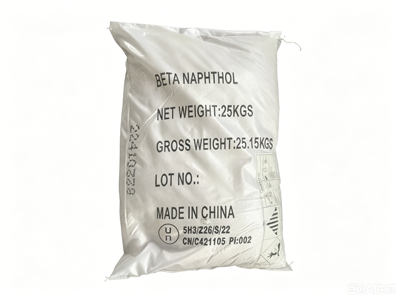
Beta naphthol
Chemical name: 2-Naphthol
CAS: 135-19-3
Content: 99.1%
Package: 25kg / bag
Use: Dye intermdiate and food color
Origin: China
Nanjing Chem Co.,Ltd. is a China-based supplier and exporter of Beta Naphthol product, and other related dye itermediate products. Beta naphthol is widely used for producing dyes and food colorants in countrie like India, China, United of state,etc.
Contact us
- No.420 Zhonghua Road,Qinghuai District, Nanjing,China 210001
- 008618005174481
- Mr.Sam
- sales@nanjingchem.com

Product Introduction
1. Product Introduction
Beta naphthol
Beta Naphthol, also known as 2-Naphthol, is a high-purity aromatic naphthalene organic compound with CAS number 135-19-3. It appears as white or pale pink flaky crystals with slight characteristic phenolic odor, featuring excellent chemical activity and stable coupling performance. As a critical fine chemical raw material, it covers two core downstream markets: textile dye and pigment intermediates, and food grade synthetic colorant raw materials.
Our company is a professional direct manufacturer of Beta Naphthol with standardized automated production workshops. Our factory covers an area of 100 mu, equipped with 150 skilled front-line production workers and 30 professional technical researchers. We have established long-term in-depth cooperative research projects with multiple universities and environmental research institutes, focusing on green process optimization for dye intermediates, Beta Naphthol synthesis and food-grade colorant production. Our joint R&D targets include product purity upgrading, reduction of harmful organic impurities, energy-saving production innovation, and full-process harmless treatment of production wastewater and solid waste. All batches of our Beta Naphthol have stable melting point, low impurity content and consistent batch quality, meeting both industrial dye production standards and strict food-contact chemical inspection requirements. We provide complete export documents, stable bulk supply and professional technical support for global dye factories, food colorant manufacturers and fine chemical distributors.
2. Product Technical Specifications
| Test Item | Standard Specification | Test Method |
|---|---|---|
| Chemical Name | Beta Naphthol / 2-Naphthol | — |
| CAS No. | 135-19-3 | — |
| EINECS No. | 205-182-7 | — |
| Molecular Formula | C₁₀H₈O | — |
| Molecular Weight | 144.17 | — |
| Appearance | White to pale pink flaky crystal | Visual Inspection |
| Purity (HPLC) | ≥99.0% | High Performance Liquid Chromatography |
| Melting Point | 120.5℃ ~ 122.0℃ | Capillary Melting Point Test |
| Moisture Content | ≤0.10% | Karl Fischer Method |
| 1-Naphthol Isomer Impurity | ≤0.20% | HPLC |
| Ash Content | ≤0.05% | High Temperature Calcination |
| Insoluble Substance in Ethanol | ≤0.10% | Gravimetric Method |
| Compliance | EU REACH Registered, ISO9001, Food-grade raw material inspection available | Official Third-party Test |
3. Our Factory Strength & R&D Green Manufacturing System
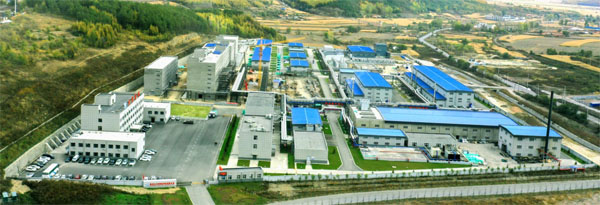
3.1 Factory Basic Scale
- Factory Area: 100 mu standardized fine chemical production base, with closed automated synthesis workshops, independent QC laboratory and dedicated environmental protection waste treatment station
- Staff Allocation: 150 skilled production workers responsible for feeding, synthesis, crystallization, centrifugation and packaging; 30 full-time professional technical personnel covering process optimization, quality inspection, application R&D and environmental waste disposal
- Quality Control: Full-process online monitoring + batch full-item inspection before delivery, strictly control isomer impurities to ensure stable performance for dye synthesis and food colorant production
3.2 University & Research Institute Joint R&D Cooperation
We maintain long-term stable joint laboratories with many universities and chemical environmental protection research institutions, focusing on three core research directions matching our product chain:
- Green Process Improvement: Optimize traditional high-pollution alkali fusion production process of Beta Naphthol, reduce by-products, cut comprehensive energy consumption and lower organic pollutant emissions
- Product Quality Upgrade: Reduce trace harmful isomers and heavy metal residues, develop special low-impurity grades suitable for high-end reactive dyes and food-grade colorant synthesis
- Wastewater & Solid Waste Treatment: Develop closed-loop recycling technology for production wastewater, waste salt and residual distillation materials, realize harmless disposal and resource reuse, meet global carbon neutrality and EU environmental audit standards
3.3 Core Factory Advantages
- Stable batch indicators, no color difference and activity fluctuation between different batches
- Dual-grade supply: industrial grade for dyes, special purified grade for food colorants
- Complete environmental compliance records, no customs clearance risks for European and American exports
4. Core Product Advantages
- High Coupling Activity: Ultra-low 1-naphthol isomer impurities, greatly improve dye color yield and color fastness, avoid color deviation in finished dyes
- Strict Residue Control for Food Grade Usage: Low heavy metal and organic residual content, compliant with international food additive raw material standards, safe for food colorant synthesis
- Eco-friendly Green Production: Supported by university joint R&D technology, low carbon footprint, fully meet REACH and global textile & food chemical regulations
- One-stop Technical Service: Professional technical team provides free formulation guidance for dye synthesis and food colorant production
- Stable Bulk Supply: Automated production lines support regular spot goods, flexible for trial sample orders and full-container bulk orders
5. Main Applications of Beta Naphthol
5.1 Dye & Pigment Intermediate (Main Industrial Usage)
Beta Naphthol is one of the most indispensable naphthalene-series intermediates for azo dyes, widely used to produce reactive dyes, acid dyes, direct dyes, organic pigments and printing ink colorants. It is commonly used for synthesizing textile dyestuffs, leather colorants and coating pigments, featuring high reaction activity, bright finished color and excellent color stability.
5.2 Raw Material for Food Grade Colorants
Our high-purity refined Beta Naphthol can be used as core raw material for synthetic food colorants after deep purification. It is applied in food coloring additives, beverage colorants and candy color matching, with strictly controlled harmful impurities to comply with food chemical safety standards.
5.3 Other Extended Applications
- Rubber antioxidant intermediate to improve rubber aging resistance
- Pharmaceutical raw material for antiseptic and drug synthesis
- Fungicide and pesticide chemical intermediate
- Analytical reagent for laboratory chemical detection
6. Packaging, Storage & Shipping
Packaging
- Standard package: 25kg woven bag with inner PE lining
- Bulk package: 500kg / 1000kg ton bag for large factory orders
Storage Requirements
- Store in cool, dry and ventilated warehouse, keep away from high temperature, direct sunlight and fire sources
- Seal packages tightly to prevent moisture absorption and discoloration
- Separated from strong oxidants and strong acid chemicals during storage
Shipping & Trade Terms
Beta Naphthol belongs to general dangerous goods. We provide complete English MSDS, COA, REACH compliance certificate and customs clearance documents. Available terms: FOB, CFR, CIF, DAP. Shipment can be arranged within 7-10 working days after deposit confirmation.
7. FAQ
Q1: What is Beta Naphthol used for?
A: Beta Naphthol (2-Naphthol) has two core applications. Firstly, it is a key intermediate for manufacturing various textile dyes, organic pigments and printing ink colorants. Secondly, high-purity refined grade can be used as raw material for producing food grade synthetic colorants. It is also widely used in rubber antioxidants, pesticides and pharmaceutical intermediates.
Q2: What is the difference between industrial grade and food grade Beta Naphthol?
A: Food grade Beta Naphthol adopts secondary deep purification process, with stricter control on heavy metal, residual organic matter and isomer impurities, meeting food safety chemical standards. Industrial grade is mainly for dye production with cost advantages. We can supply both grades according to customer demands.
Q3: What advantages does your Beta Naphthol factory have compared with other suppliers?
A: Our factory covers 100 mu, with 150 production workers and 30 professional technical staff. We cooperate with multiple universities and research institutes to develop green production processes for dye intermediates and food-grade colorant raw materials. We optimize product quality and realize full closed-loop treatment of wastewater and solid waste, providing stable high-purity products and full environmental compliance documents for global buyers.
Q4: Is your Beta Naphthol REACH registered for exporting to Europe?
A: Yes. Our Beta Naphthol has complete EU REACH registration and regular SVHC test reports. We can provide full compliance documents to support smooth customs clearance for European dye factories and food colorant manufacturers.
Q5: Will excessive impurities of Beta Naphthol affect finished dye products?
A: Yes. Excessive 1-naphthol isomer impurities will cause uneven dye color, reduce color fastness and affect finished product stability. Our products strictly control isomer content below 0.2%, effectively avoiding such production problems.
Q6: What is the shelf life of Beta Naphthol?
A: The shelf life of sealed Beta Naphthol is 24 months under dry and cool storage conditions. Avoid high temperature and humid environment to prevent crystal agglomeration and surface discoloration.