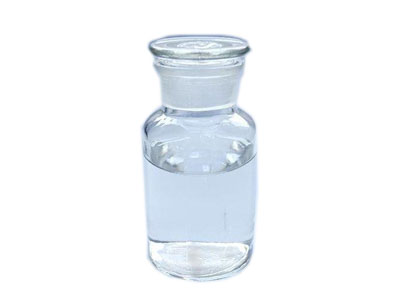
N-methylaniline
Product name: Mono methylaniline
Short name: NMA
CAS: 100-61-8
Content: 90% 95% 99%
Package: 250kg per drum
Origin: China
Contact us
- No.420 Zhonghua Road,Qinghuai District, Nanjing,China 210001
- 008618005174481
- Mr.Sam
- sales@nanjingchem.com

Product Introduction
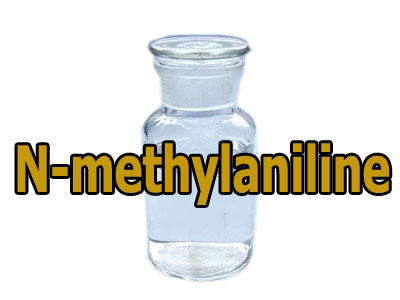
Nanjing Chem Co.,Ltd. is a China-based supplier and exporter of N-Methylaniline (NMA) CAS 100-61-8 product. N-methylaniline is widely used as gasonline additive product in countries like Vietnam, United state,Brazil,Middle East,etc.
1. Introduction
N-Methylaniline, abbreviated as NMA, also named monomethylaniline, is a vital aromatic secondary amine organic chemical with CAS number 100-61-8. Our industrial-grade N-methylaniline reaches ≥99% purity via precise distillation purification, presenting as light yellow oily liquid that slowly turns brown after long-term exposure to air. As a dual-purpose core chemical raw material, NMA is most widely applied as an ashless gasoline anti-knock octane booster, and also acts as a fundamental intermediate for cationic dyes, azo colorants, pesticides and fine chemical synthesis. Compared with traditional MTBE fuel additives, N-methylaniline delivers stronger anti-detonation performance, higher energy density and lower comprehensive blending cost for refineries and fuel blending factories. As a professional Chinese N-methylaniline manufacturer and bulk exporter, we supply REACH-registered NMA with complete MSDS, COA and dangerous goods shipping documents, stable large-volume stock and competitive factory prices for global petrochemical, dye and agrochemical enterprises.
2. Complete Technical Specification Sheet
Basic Physical & Chemical Indexes of Industrial Grade N-Methylaniline
| Item | Standard Specification | Test Standard |
|---|---|---|
| Full Chemical Name | N-Methylaniline (NMA / Monomethylaniline) | — |
| CAS Number | 100-61-8 | — |
| EINECS Number | 202-870-9 | — |
| Molecular Formula | C₇H₉N | — |
| Molecular Weight | 107.15 g/mol | — |
| Appearance | Light yellow transparent oily liquid, darkens under air & sunlight | Visual Inspection |
| Purity (GC Assay) | ≥99.0 % | Gas Chromatography |
| Moisture Content | ≤0.10 % | Karl Fischer Titration |
| Free Aniline Impurity | ≤0.50 % | GC Test |
| Density (20°C) | 0.987 ~ 0.994 g/cm³ | ISO 12185 |
| Boiling Point | 196 °C (760 mmHg) | ISO 9090 |
| Melting Point | -57 °C | ISO 9090 |
| Flash Point | 79 °C | Closed Cup Test |
| Solubility | Miscible with ethanol, ether, chloroform; insoluble in water | Lab Test |
| UN Transport Number | UN 2294, Hazard Class 6.1 Toxic Liquid | IMDG / ADR Standard |
| Compliance Standard | EU REACH Registered, ISO 9001, TSCA Listed | Global Chemical Regulation |
3. Key Product Advantages
Our high-purity N-methylaniline CAS 100-61-8 has obvious competitive strengths for fuel blending and chemical synthesis industries:
Superior gasoline anti-knock performance: NMA is a non-metallic, ashless octane booster. Adding 0.8%–3.5% volume proportion into gasoline can significantly lift octane rating, eliminate engine knocking, improve combustion efficiency and cut fuel consumption by 10%–15%. Its anti-detonation effect outperforms MTBE and ethanol additives.
Strict impurity control: Ultra-low free aniline and moisture content avoid pipeline corrosion, filter clogging and catalyst deactivation in refinery production lines, ensuring long-term stable fuel formulation.
Versatile synthetic compatibility: Excellent reaction activity for dye and pesticide manufacturing; stably produces vivid cationic textile dyes and high-efficiency insecticide intermediates without side reactions.
Global regulatory compliance: Full EU REACH registration, complete hazard communication documents, fully meets import inspection rules of Europe, Southeast Asia, Middle East and Latin America for petrochemical and fine chemical factories.
Flexible bulk supply solution: Support 200kg iron drum small orders and ISO tank large bulk shipments, stable monthly output to satisfy continuous production demand of refineries and dye manufacturers.
4. Main Industrial Applications of N-Methylaniline
4.1 Petrochemical Industry – Gasoline Anti-Knock Octane Booster
This is the dominant consumption field of N-methylaniline. Refineries and fuel blending plants add NMA into low-grade gasoline to upgrade octane number:
3%–4% blending ratio: Convert 60# base gasoline to standard 90# gasoline
0.8%–1.2% blending ratio: Upgrade 90# gasoline to high-performance 93# gasoline
2%–3% blending ratio: Produce premium 97# high-octane fuel for turbocharged passenger vehicles
NMA avoids metal residue inside engines, reduces cylinder wear and fits reformulated gasoline production standards worldwide.
4.2 Dye & Pigment Industry – Core Synthetic Intermediate
N-methylaniline is an essential coupling agent for cationic dyes and azo colorants widely used in textile printing & dyeing:
Manufacture cationic brilliant red, pink, violet dyes for acrylic fiber fabrics
Synthesize solvent dyes, printing ink colorants and coating pigment intermediates
Improve color fastness, solubility and light resistance of finished textile dyes
4.3 Agrochemical Industry – Pesticide Intermediate
It serves as a foundational raw material for synthesizing multiple mainstream agrochemical products:
Key building block of buprofezin insecticide for crop pest control
Intermediate for selective herbicides and plant growth regulators
High reaction conversion rate reduces production waste and lowers pesticide manufacturing cost
4.4 Other Fine Chemical & Organic Synthesis Uses
High-boiling neutral solvent and acid acceptor for pharmaceutical API synthesis
Raw material for rubber additives, plastic antioxidants and chemical catalyst production
Analytical reagent for lab organic chemistry research
5. Packaging, Storage & Global Shipping Guidelines
5.1 Standard Packaging
Regular small batch: 200kg sealed iron drum with anti-corrosion inner coating, 16 drums per 20ft full container load
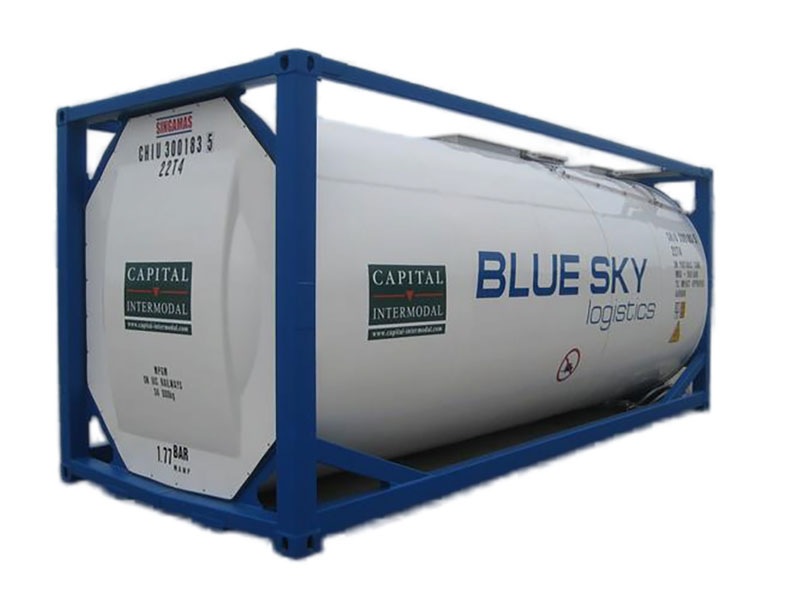
Large bulk refinery orders: 20–24MT ISO stainless steel tank container
Custom labeled drums available per customer’s factory requirements
5.2 Safe Storage Conditions
Store N-methylaniline in cool, dry, fully ventilated enclosed warehouse with constant temperature below 30°C
Keep drums tightly sealed to prevent oxidation and darkening caused by air exposure
Separate thoroughly from open flames, heat sources, strong oxidants, strong acids and food raw materials
Equip warehouse with spill containment sand, absorbent cloth and toxic chemical emergency treatment supplies
5.3 International Shipping & Trade Service
Classified as UN 2294 Class 6.1 toxic hazardous liquid, complying with IMDG sea transport, ADR road and IATA air dangerous goods rules. We offer full set customs clearance documents including official COA, full English MSDS, REACH registration certificate, packing list and commercial invoice. Available trade terms: FOB, CFR, CIF, DAP. Stable spot inventory ensures shipment within 7 working days after deposit confirmation.
6. FAQ
Q1: What is N-Methylaniline mainly used for?
A: N-Methylaniline (NMA) has two core mainstream applications. First, it acts as an efficient ashless anti-knock octane booster for gasoline blending in refineries. Second, it is an indispensable synthetic intermediate for cationic textile dyes, agrochemical pesticides and various fine organic chemicals. It can also be used as a high-boiling solvent for pharmaceutical production.
Q2: What is the difference between N-Methylaniline and MTBE as gasoline additives?
A: N-methylaniline provides stronger octane lifting capacity than MTBE with lower blending dosage, no groundwater pollution risk, and higher energy density to save fuel consumption. MTBE requires higher addition proportion and has stricter environmental discharge limits in many countries, while REACH-compliant NMA is widely approved for global fuel production.
Q3: What purity grade of N-Methylaniline do you supply? Is it REACH registered?
A: Our standard industrial N-methylaniline is ≥99% GC purity, strictly controlled low aniline and moisture impurities suitable for fuel and dye production. The substance holds full EU REACH registration, we can provide complete registration dossier and compliance declaration for European import customs clearance.
Q4: What blending ratio of NMA is recommended for gasoline octane improvement?
A: The dosage depends on target gasoline grade: 0.8–1.2% for 93# gasoline, 2–3% for 97# premium gasoline, 3–4% for upgrading low-octane 60# base fuel. Our technical team can offer customized blending formula guidance for refinery clients.
Q5: Can I get free test samples of N-Methylaniline before bulk order?
A: Yes, we support small lab test samples for factory formula verification. Discounted unit prices are provided for long-term bulk refinery and dye factory cooperation, together with professional technical after-sales support.
Q6: What are the storage risks of N-Methylaniline? How long is its shelf life?
A: NMA is toxic and combustible; avoid inhalation, skin contact and exposure to oxidants. Under tightly sealed cool storage conditions, the shelf life of N-methylaniline reaches 12 months. Long-term unsealed storage will cause color deepening and slight performance decline.