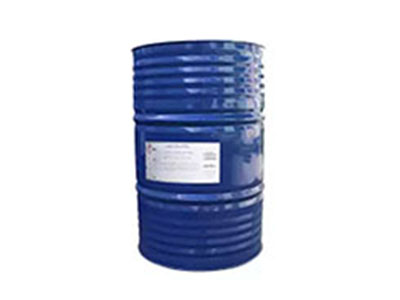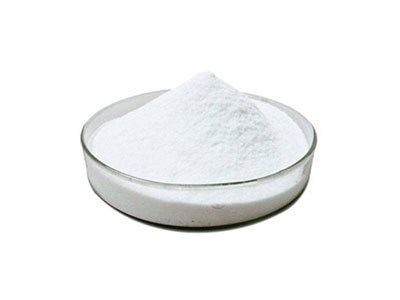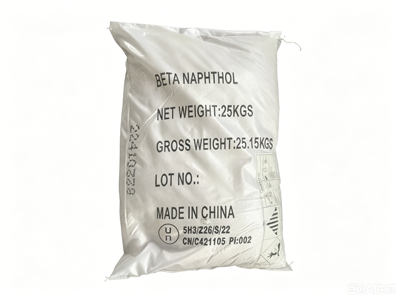
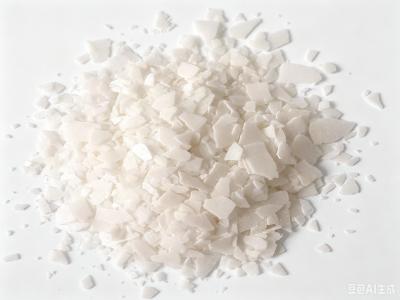
Refined naphthalene
CAS: 91-20-3
Packing: 25kg per bag
Use: Chemical raw materials and intermediate
Purity: 99.5%
Brand: Angang steel; Ansteel
Origin: China
Contact us
- No.420 Zhonghua Road,Qinghuai District, Nanjing,China 210001
- 008618005174481
- Mr.Sam
- sales@nanjingchem.com

Product Introduction
1. Refined Naphthalene CAS 91-20-3
– High Purity Base Raw Material for Global Organic Chemical Synthesis
2. Introduction
Refined Naphthalene is a purified bicyclic aromatic hydrocarbon chemical raw material with CAS number 91-20-3, refined from crude naphthalene through continuous distillation and recrystallization processes. It appears as white glossy flaky crystals with distinctive aromatic odor, featuring stable molecular structure and excellent reaction activity, serving as a fundamental universal organic intermediate across the fine chemical, dye, plasticizer and rubber additive industries.
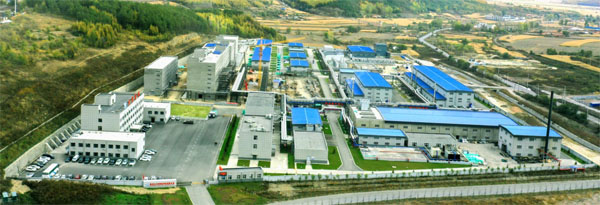
We operate a specialized refined naphthalene manufacturing factory covering a total area of 100 mu, equipped with complete closed distillation production lines, independent quality inspection laboratory and full-set waste treatment supporting facilities. Our team consists of 150 skilled frontline production workers and 30 full-time professional technical engineers, who take charge of production process control, product purification research, finished product testing and environmental waste disposal respectively. Long-term joint research partnerships are established with multiple universities and chemical environmental research institutes, focusing on green synthesis and purification technology upgrading for refined naphthalene. Our joint R&D projects target three core directions: reducing residual impurity content to upgrade product purity, cutting energy consumption and pollutant emission during distillation, and developing closed-loop recycling treatment solutions for production wastewater and solid waste residues. All batches of our refined naphthalene maintain stable melting point, low tar and sulfur impurities, fully matching raw material requirements of downstream dye, plasticizer and pesticide factories. We provide complete English export compliance documents, stable mass bulk inventory and one-stop technical formulation guidance for global chemical compounding enterprises, distributors and processing manufacturers.
3. Complete Technical Specification Table
Physical & Chemical Indexes of Industrial High Purity Refined Naphthalene
| Test Item | Standard Specification | Testing Standard |
|---|---|---|
| Full Chemical Name | Refined Naphthalene | GB/T 2445, ASTM D850 |
| CAS Number | 91-20-3 | — |
| EINECS Number | 202-043-2 | — |
| Molecular Formula | C₁₀H₈ | — |
| Molecular Weight | 128.17 g/mol | — |
| Appearance | White glossy flaky crystalline solid | Visual Inspection |
| Purity (Naphthalene Content) | ≥ 99.0 % | Gas Chromatography GC Test |
| Melting Point | ≥ 79.2 °C | Capillary Melting Point Method |
| Moisture Content | ≤ 0.15 % | Karl Fischer Titration |
| Sulfur Impurity Content | ≤ 0.05 % | Ultraviolet Fluorescence Sulfur Tester |
| Tar Residue | ≤ 0.10 % | Gravimetric Heating Test |
| Ash Content | ≤ 0.02 % | High Temperature Calcination Test |
| Volatile Impurity | ≤ 0.20 % | GC Quantitative Analysis |
| Solubility | Soluble in benzene, ethanol, ether; slightly soluble in cold water | Lab Solubility Test |
| Compliance Certification | EU REACH Registered, ISO9001, Global Industrial Chemical Import Standard | ECHA & International Quality System |
4. Our Factory Profile & R&D Green Manufacturing Strength
4.1 Factory Scale & Staff Allocation
- Total factory land coverage: 100 mu, fully enclosed automated distillation workshops with negative pressure waste gas recovery system, independent wastewater sedimentation and membrane filtration workshop, classified solid waste storage area.
- Production staff: 150 skilled workers for crude naphthalene feeding, continuous distillation, cooling crystallization, centrifugal separation and finished bag packaging, implementing full-shift online production monitoring.
- Technical team: 30 full-time professional technical personnel, covering purification process R&D, online index adjustment, batch full-item inspection, wastewater/solid waste resource treatment and downstream application formula development.
- Quality control system: Every production batch undergoes GC full-index inspection before delivery, strictly controlling sulfur, tar and heavy impurity content to eliminate performance fluctuation for downstream synthesis reactions.
4.2 Long-term University & Research Institute Joint R&D Cooperation
- Green distillation purification process improvement: Optimize low-temperature vacuum distillation technology to lower thermal decomposition by-product generation, reduce comprehensive power and steam energy consumption during production.
- Product purity upgrading research: Develop secondary recrystallization purification technology to minimize sulfur, tar and heterocyclic hydrocarbon impurities, meet high-standard requirements of food-contact additives and high-grade dye intermediates.
- Full-cycle waste harmless & recycling treatment: Research distillation residual tar recovery, wastewater desulfurization circulation filtration and solid waste incineration energy recovery technology, realize zero excessive pollutant discharge, conform to EU CBAM carbon footprint audit and global export environmental inspection standards.
4.3 Core Factory Competitive Advantages
- Stable batch consistency: Continuous automated distillation lines avoid manual operation errors, melting point and purity indicators keep uniform across all shipments.
- Dual grade supply support: Standard industrial grade for general chemical synthesis, ultra-low sulfur high-purity grade for high-end fine chemical production.
- Complete environmental compliance archives: Complete waste water and solid waste treatment monitoring records, effectively avoiding customs detention risks when exporting to Europe, Southeast Asia and North America.
5. Core Product Advantages of Our Refined Naphthalene
- Ultra-low impurity indicators: Strict control of sulfur, tar and ash content far below national and international industrial standards, preventing catalyst deactivation and color deviation during downstream chemical synthesis.
- Stable crystalline form and melting performance: Uniform white flaky crystals with fixed melting point, easy to melt and mix with other chemical raw materials, stable reaction conversion rate in continuous production lines.
- Eco-friendly green manufacturing process: Supported by university joint R&D vacuum distillation technology, low carbon emission and low pollutant residual, fully compliant with EU REACH, RoHS and global industrial chemical environmental regulations.
- Professional one-stop technical service: Our 30-person technical team provides free formulation matching guidance for phthalic anhydride production, dye intermediate synthesis and plasticizer manufacturing according to clients’ production equipment and finished product performance targets.
- Reliable large-volume supply capacity: Large-scale distillation production lines maintain sufficient monthly spot inventory, supporting flexible small lab trial sample delivery and full 20ft/40ft container bulk orders.
6. Main Industrial Applications of Refined Naphthalene
6.1 Production of Phthalic Anhydride (Largest Consumption Field)
6.2 Dye & Pigment Intermediates Manufacturing
6.3 Plasticizer & Surfactant Raw Material
- Synthesize naphthalene sulfonate superplasticizers for concrete water reducing agents, widely used in construction engineering industry
- Manufacture naphthalene-based anionic surfactants for textile printing and dyeing leveling agents, pesticide emulsifiers and industrial detergent additives
6.4 Rubber & Synthetic Material Additives
6.5 Other Extended Fine Chemical Applications
- Pesticide intermediate for manufacturing insecticides, fungicides and plant growth regulators
- Pharmaceutical intermediate for synthesis of anti-inflammatory and antiseptic pharmaceutical raw materials
- Carbon black raw material and fuel additive for industrial boiler combustion
- Laboratory analytical reagent and special solvent for organic chemistry research
7. Packaging, Storage & International Shipping Guidelines
Standard Packaging
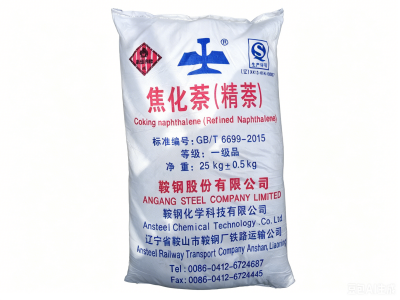
- Conventional export bulk order: 25kg woven polypropylene bag with inner PE anti-leakage liner, 17MT per 20ft full container load, 26MT per 40ft container
- Large factory mass order: 1000kg ton jumbo bag, customized private printed packaging labels available for long-term cooperative chemical manufacturers
Safe Storage Conditions
- Store refined naphthalene crystals in cool, dry, fully ventilated enclosed warehouse, storage temperature controlled below 30°C
- Keep all packaging bags tightly sealed to prevent sublimation loss and dust leakage; strictly isolate from open flames, heat sources and strong oxidants
- Avoid long-term direct sunlight exposure, which will cause crystal yellowing and volatile loss; separate from food raw materials and daily consumer goods during storage
International Trade & Shipping Service
8. FAQ
Q1: What is refined naphthalene mainly used for?
A: Refined naphthalene is a universal upstream base chemical raw material and organic intermediate. Its core applications include producing phthalic anhydride, manufacturing naphthalene-series dye intermediates such as Beta Naphthol and H acid, synthesizing concrete superplasticizers, textile surfactants, rubber anti-aging agents, pesticides and pharmaceutical intermediates for global chemical processing factories.
Q2: What unique advantages does your refined naphthalene manufacturing factory own compared with other suppliers?
A: Our factory covers a total area of 100 mu, with 150 skilled production workers and 30 full-time professional technical R&D engineers. We maintain long-term joint research cooperation with multiple universities and chemical environmental research institutes, dedicated to green vacuum distillation process optimization for refined naphthalene. Our R&D team continuously upgrades product purity indicators and develops closed-loop recycling treatment technology for production wastewater and solid waste residues, providing low-impurity, eco-compliant refined naphthalene and free downstream synthesis formulation technical support for global chemical buyers.
Q3: Is your refined naphthalene EU REACH registered for bulk export to European chemical manufacturers?
A: Yes, our refined naphthalene substance holds complete ECHA EU REACH registration dossier with authorized EU Only Representative (OR). We can provide full batch SVHC test reports, environmental waste treatment archives and official compliance declaration to support smooth customs inspection in all EU member countries without detention risks.
Q4: What negative impacts will excessive sulfur and tar impurities in refined naphthalene bring to downstream synthesis?
A: Excessive sulfur impurities will poison synthesis catalysts, reduce reaction conversion rate and increase production cost. Excess tar residues will cause dark color deviation of finished dyes, plasticizers and pigments, as well as increase wastewater chroma and downstream waste treatment burden. Our refined naphthalene strictly limits sulfur ≤0.05% and tar ≤0.10% to completely avoid such production defects.
Q5: Can I get free lab test samples of refined naphthalene before bulk order? Do you offer volume wholesale discount?
A: We supply small lab trial samples for clients’ synthesis formula verification and purity testing. Competitive preferential unit prices are provided for long-term cooperative large chemical compounding factories and global distributors. Our 30-person professional technical team offers free customized synthesis formula optimization guidance according to different downstream production scenarios.
Q6: What is the shelf life of sealed refined naphthalene crystals? What storage risks should be noticed?
A: Under tightly sealed cool, dry and ventilated warehouse storage conditions, the shelf life of refined naphthalene reaches 24 months. Naphthalene has sublimation property; high temperature or loose packaging will lead to volatile loss, crystal yellowing and reduced purity, so sealed low-temperature storage is required. It must be stored far away from fire sources due to flammable solid hazard classification.