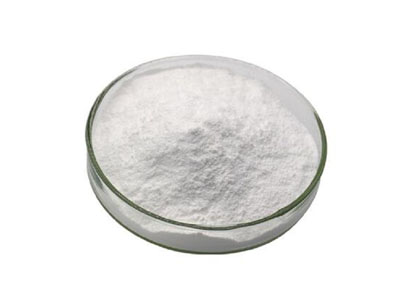
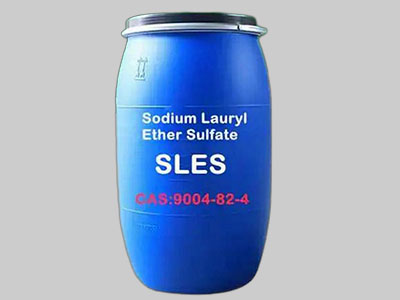
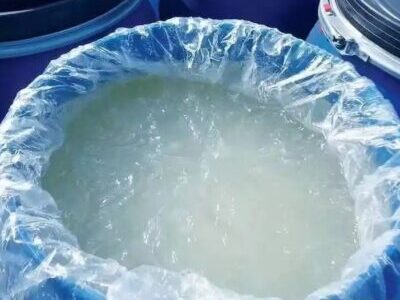
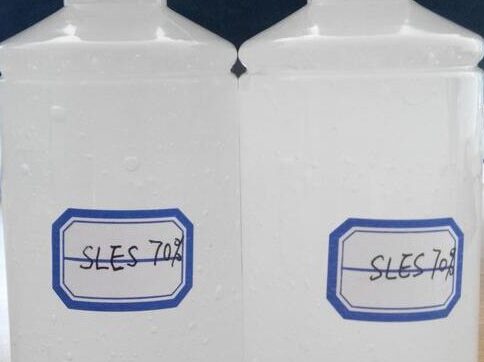
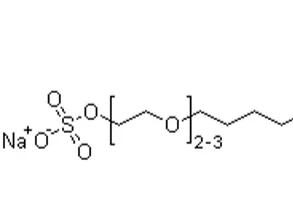
Sodium Lauryl Ether Sulphate
Content: 70%
Package: 230kg per drum
Contact us
- No.420 Zhonghua Road,Qinghuai District, Nanjing,China 210001
- 008618005174481
- Mr.Sam
- sales@nanjingchem.com

Product Introduction
Sodium Lauryl Ether Sulphate introduction |
| SLES is also known as Sodium Lauryl Ether Sulfate. It is an anionic surfactant. It is prepared by the addition reaction of lauryl alcohol and ethylene oxide, followed by sulfation and neutralization. Its molecular structure contains lipophilic alkyl chains and hydrophilic sulfate groups, thus possessing excellent surface activity. |
What are the features of Sodium Lauryl Ether Sulphate ? |
| It has excellent cleaning power, can effectively reduce the surface tension of water, quickly emulsify and disperse oil stains and dirt. Compared to sodium linear alkylbenzenesulfonate (LAS) and sodium lauryl sulfate (SLS), SLES has lower irritation to the skin and mucous membranes. This is because its molecular structure contains a polyether structure, which buffers the irritability of anionic groups. It has good water solubility. It can also dissolve quickly in cold water. It has the characteristic of strong compatibility. It can be compounded with non-ionic, cationic, and other amphoteric surfactants. It can also be compatible with various additives (such as essence, preservatives, thickening agents). Its foam is rich and stable. It can produce dense and lasting foam. Therefore, it can meet the user experience requirements of cleaning products. |
Uses of Sodium Lauryl Ether Sulphate |
| SLES is one of the most widely used surfactants in the daily chemical, laundry, and industrial sectors. It acts as the core cleaning component in shampoos, shower gels and hand sanitizers, balancing excellent detergency with mildness, making it ideal for daily use. As a foaming agent in facial cleansers and mousses, it enhances the user experience of such products. It is the primary active ingredient in laundry detergents, dish soaps and degreasers, capable of effectively removing stains from fabrics and grease from tableware. As an emulsifying dispersant in glass cleaners and floor cleaners, it boosts the overall cleaning performance. It is incorporated into metalworking fluids and industrial degreasers to remove oil and contaminants from metal surfaces. In the textile printing and dyeing industry, it functions as a wetting and emulsifying agent, improving the penetration and evenness of dyes on fabrics. |