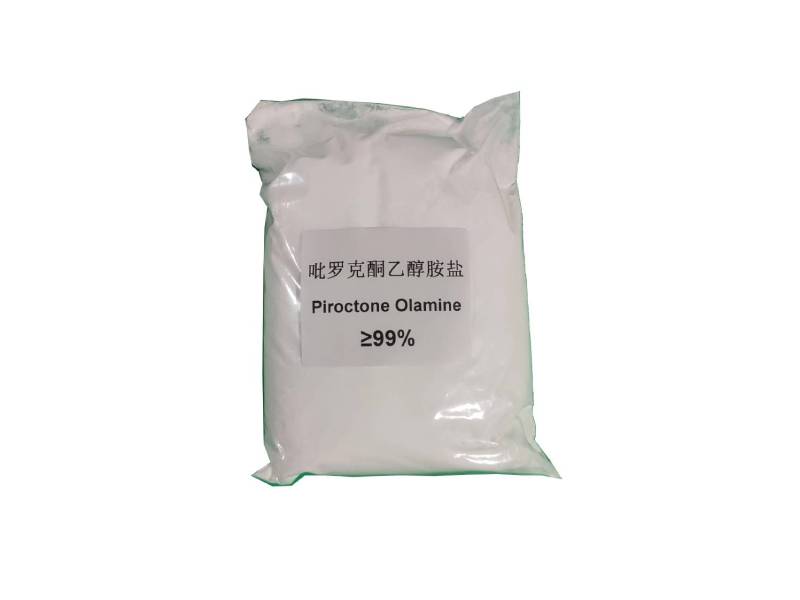
Aniline
CAS: 62-53-3
Content: 99%
Origin: China
Package: 250kg per drum
Contact us
- No.420 Zhonghua Road,Qinghuai District, Nanjing,China 210001
- 008618005174481
- Mr.Sam
- sales@nanjingchem.com

Product Introduction
Aniline Introduction |
| Aniline (CAS 62-53-3), the simplest primary aromatic amine, has the molecular formula C₆H₅NH₂ and a molecular weight of 93.13. It appears as a colorless oily liquid with a strong, distinctive odor, is slightly soluble in water but readily soluble in organic solvents, exhibits weak alkalinity, and is prone to oxidation and discoloration. As a core intermediate in the chemical industry, it is primarily used in polyurethane, dyes, rubber additives, pharmaceuticals, and pesticides. Recent research has focused on green synthesis, C-N bond activation, biocatalysis, and environmental monitoring. |
Aniline Usage |
| Polyurethane raw material (approximately 80%): It condenses with formaldehyde to form 4,4′-diaminodiphenylmethane (MDA), which then reacts with phosgene to produce diphenylmethane diisocyanate (MDI). This is used in the production of rigid polyurethane foam (for construction/冷链 insulation), elastomers, and other applications, representing the largest usage field of aniline. Dyes and organic pigments (approximately 2%): synthetic indigo, azo dyes (such as Acid Orange II), Brilliant Red, Carmine, etc., with color fastness of 4-5 levels. The production of indigo consumes about 1.2 tons of aniline per ton; it is also used in the printing and dyeing of aniline black and the preparation of methyl orange indicators. Rubber additives (approximately 9%): Used to produce anti-aging agents (4010NA, 4020), accelerators (M, D), etc. Adding 0.5%-1% can significantly enhance rubber’s resistance to aging and vulcanization efficiency, extending the lifespan of products such as tires. Pharmaceutical intermediates: Synthesis of antipyretic and analgesic drugs such as acetaminophen, sulfonamides, and acetylaniline, as well as antibacterial agents. Pesticide Synthesis: Used for producing herbicides (alachlor, atrazine), insecticides (imidacloprid, triazophos), and fungicides (mancozeb), with a conversion rate ≥88% and herbicidal efficacy approximately 90%. Other applications: epoxy resin curing agents, fragrance intermediates, gasoline explosion inhibitors, solvents, and organic synthesis reagents. |