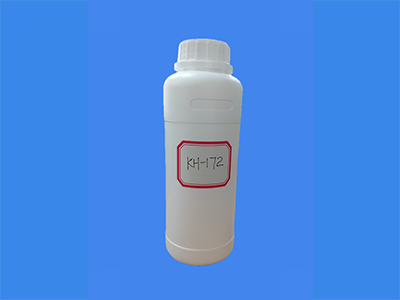

KH-792
CAS: 1760-24-3
Chemical name: N-(2-Aminoethyl)-3-aminopropyltrimethoxysilane
Other names: A-1120; Z-6020
Use: Silane coupling agent
Packing: 200kg / drum
Origin: China
Contact us
- No.420 Zhonghua Road,Qinghuai District, Nanjing,China 210001
- 008618005174481
- Mr.Sam
- sales@nanjingchem.com

Product Introduction
KH-792 (N-(2-Aminoethyl)-3-Aminopropyltrimethoxysilane) CAS 1760-24-3
– Diamino Functional Silane Coupling Agent for Composites, Adhesives & Industrial Coatings
1. KH-792 Introduction
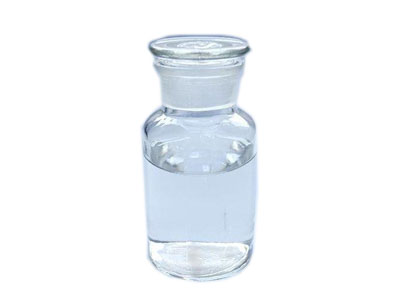
KH-792, also known as diamino silane coupling agent, full chemical name N-(2-Aminoethyl)-3-aminopropyltrimethoxysilane with CAS number 1760-24-3, is a bifunctional organosilicon additive widely recognized across composite, adhesive, coating and plastic industries. It appears as a colorless to pale yellow transparent low-viscosity liquid with mild amine odor, containing dual reactive amino groups and hydrolyzable methoxysilane groups. Its unique dual-amino molecular structure builds stable molecular bridges between inorganic substrates (glass fiber, silica, metal, talc) and organic polymer matrices (epoxy, PU, phenolic, polyolefin), drastically boosting interface adhesion, mechanical strength, water resistance and electrical insulation of finished composite products.
We operate a professional silane coupling agent manufacturing factory covering a total land area of 100 acres, equipped with fully automated continuous synthesis & rectification production lines, independent high-precision central QC laboratory and standardized full-cycle wastewater & solid waste recycling treatment stations. Our team consists of 150 skilled frontline production workers and 30 full-time professional technical engineers, separately responsible for raw material feeding, organosilicon catalytic synthesis, multi-stage vacuum distillation purification, full-batch index testing and environmental waste harmless disposal. We maintain long-term joint research partnerships with multiple domestic Chinese universities and chemical environmental research institutes, focusing on green craft optimization for a complete series of silane coupling agents including KH-792. Our joint R&D projects focus on three core directions: low-waste catalytic synthesis technology to lift KH-792 purity and reduce methanol/amine residual impurities, energy-saving vacuum distillation upgrades to cut carbon emissions and volatile organic by-products, and closed-loop resource recycling systems for production wastewater and solid waste catalyst residues. Every batch of our KH-792 maintains stable amine content, ultra-low free silanol impurities and consistent refractive index, perfectly matching formulation demands of glass fiber composite factories, adhesive & sealant manufacturers, coating compound plants and plastic filler modification enterprises. We provide complete English export compliance documents, stable mass spot inventory and free formulation technical support for global chemical distributors and polymer processing manufacturers.
2. Complete Technical Specification Sheet
Physical & Chemical Indexes of Industrial High Purity KH-792 Silane Coupling Agent
| Test Item | Standard Specification | Testing Standard |
|---|---|---|
| Full Chemical Name | N-(2-Aminoethyl)-3-Aminopropyltrimethoxysilane (KH-792 Diamino Silane) | HG/T organosilicon standard, ASTM D6078 |
| CAS Number | 1760-24-3 | — |
| EINECS Number | 217-164-6 | — |
| Molecular Formula | C₈H₂₂N₂O₃Si | — |
| Molecular Weight | 222.36 g/mol | — |
| Appearance | Colorless to light yellow transparent liquid | Visual & Olfactory Inspection |
| Main Component Purity (GC Assay) | ≥ 97.0 % | Gas Chromatography GC Test |
| Amine Equivalent Value | 8.8 ~ 9.2 meq/g | Potentiometric Titration |
| Chroma (Pt-Co Hazen) | ≤ 25 APHA | Platinum-Cobalt Colorimeter |
| Density (20°C) | 1.016 ~ 1.024 g/cm³ | Hydrometer Test |
| Refractive Index (25°C) | 1.4425 ~ 1.4460 | Abbe Refractometer Test |
| Boiling Point (760 mmHg) | 259 °C | Distillation Temperature Test |
| Flash Point (Closed Cup) | ≥ 136 °C | Closed Cup Flash Point Tester |
| Water Content | ≤ 0.10 % | Karl Fischer Titration |
| Solubility Performance | Miscible with ethanol, methanol, xylene, toluene; hydrolyzes in water to release methanol, incompatible with acetone & carbon tetrachloride | Lab Solubility Test |
| Compliance Certification | EU REACH Registered, ISO9001, Global Composite Raw Material Import Standard | ECHA & International Quality System |
3. Our Factory Profile & R&D Green Manufacturing Strength
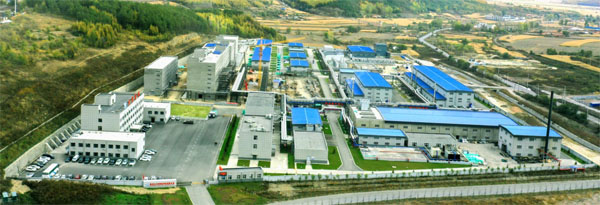
3.1 Factory Scale & Staff Allocation
- Total factory land coverage: 100 acres, fully sealed automated continuous reaction workshops with waste gas absorption recovery system, multi-stage wastewater neutralization & membrane filtration tank group, classified solid waste catalyst recovery warehouse.
- Production staff: 150 skilled full-shift workers for methoxysilane & ethylenediamine feeding, low-pressure catalytic addition reaction, vacuum distillation separation and sealed drum filling, with real-time online production parameter monitoring.
- Technical team: 30 full-time professional technical personnel covering green organosilicon catalyst R&D, distillation purification process adjustment, full-item batch inspection, wastewater desalination circulation treatment and downstream composite material formula application research.
- Strict quality control system: Each production batch undergoes full GC index testing before delivery, strictly limiting free amine and methanol residues to eliminate poor interfacial bonding, yellowing and unstable mechanical performance defects for downstream composite manufacturers.
3.2 Long-term University & Research Institute Joint R&D Cooperation
- Green catalytic synthesis process improvement: Optimize low-temperature reusable solid acid catalyst technology to reduce liquid amine waste discharge, lower side reaction by-product generation, and cut steam & power energy consumption during KH-792 organosilicon synthesis.
- Product quality upgrading research: Develop precision multi-stage vacuum rectification technology to minimize residual free silane and light fraction impurities, stabilize dual-amino reactive activity to meet high-performance glass fiber, electronic composite and food-contact filler modification standards.
- Full-cycle waste harmless & recycling treatment: Research wastewater membrane separation, distillation residual liquid recovery and solid catalyst regeneration technology, realize near-zero pollutant discharge, conform to EU CBAM carbon footprint audit and cross-border environmental inspection requirements for polymer auxiliary raw materials.
3.3 Core Factory Competitive Advantages
- Complete silane product matrix: Besides KH-792 diamino silane, we supply KH-550, KH-560, KH-570, KH-171 and other single-amino, epoxy, vinyl silane coupling agents, supporting one-stop raw material procurement for composite, coating and adhesive factories.
- Stable batch interfacial activity consistency: Automated closed continuous synthesis & distillation lines avoid manual operation deviation, purity, amine value and chroma indicators keep uniform across all shipments, no fluctuation of composite tensile & impact strength between batches.
- Complete multi-region compliance archives: Possess full EU REACH registration documents and VOC environmental test reports, effectively avoiding customs detention risks when exporting to Europe, North America, Southeast Asia and Australia.
4. Core Product Advantages of Our KH-792 Silane Coupling Agent
- Dual-amino high reactive molecular structure: Two active amino groups deliver stronger crosslinking reactivity with epoxy, polyurethane, phenolic and acrylic resins than single-amino silane grades like KH-550, forming ultra-stable organic-inorganic interface bonding layers.
- Comprehensive composite performance improvement: Significantly lift tensile strength, flexural modulus, impact resistance and long-term water/humidity corrosion resistance of glass fiber reinforced plastics and mineral-filled modified plastics, also greatly boosting electrical insulation stability under damp environments.
- Wide formula compatibility & low dosage: Compatible with nearly all thermosetting and partial thermoplastic polymers, effective additive dosage only 0.3%–1.5% based on filler weight, no negative impact on original resin curing speed or surface gloss.
- Eco-friendly low-carbon green manufacturing: Supported by domestic university joint R&D low-energy catalytic synthesis technology, less waste discharge and low volatile residual impurities, fully compliant with global REACH, RoHS and low-VOC composite material regulations.
- Professional one-stop polymer formulation technical service: Our 30-person technical team provides free silane dosage matching guidance for glass fiber composite, metal adhesive, anti-corrosion coating, mineral filler modification and electronic insulation material production according to clients’ processing equipment and finished mechanical performance targets.
- Reliable large-volume flexible supply capacity: Large-scale continuous organosilicon synthesis distillation production lines guarantee sufficient monthly spot inventory, supporting small lab trial sample delivery and full 20ft/40ft container bulk orders for large composite and adhesive manufacturers.
5. Main Industrial Applications of KH-792 Silane Coupling Agent
5.1 Glass Fiber Reinforced Composite Materials (Largest Consumption Field)
- Glass fiber sizing agent for epoxy, phenolic, PU FRP composite parts, automotive lightweight structural components, wind turbine blade substrates
- Surface modifier for glass microbead, silica, wollastonite and mica mineral fillers used in modified engineering plastics
Eliminates filler agglomeration, improves filler dispersion in resin matrix and prevents composite material strength attenuation under long-term damp aging.
5.2 Adhesive & Sealant Industry
- Adhesion booster for one-component PU sealants, epoxy structural adhesives, silicone sealants and hot-melt adhesives
- Primer treatment agent for metal (aluminum, copper, steel), glass and ceramic bonding substrates, solves poor adhesion defects between organic glue and inorganic hard surfaces
Suitable for construction sealant, automotive assembly adhesive and electronic component potting glue formulations.
5.3 Industrial Protective & Functional Coatings
- Adhesion auxiliary additive for epoxy anti-corrosion paint, polyurethane metal primer, water-based architectural coating and coil coating
- Surface pretreatment silane for aluminum alloy, galvanized steel and stainless steel substrates, greatly enhancing coating anti-rust, salt spray resistance and anti-peeling performance
Perfect for difficult-to-coat non-ferrous metal substrates with smooth dense oxide layers.
5.4 Modified Plastic & Rubber Filler Treatment
- Surface modifier for calcium carbonate, talc, white carbon black and kaolin inorganic fillers in PP, PE, PVC and nylon plastic compounding
- Rubber reinforcing filler treatment agent to improve compatibility between silica filler and natural/synthetic rubber, raise tire tensile wear resistance and reduce plasticizer consumption
5.5 Electronic & Other Extended Fine Chemical Applications
- Insulation coating auxiliary silane for PCB circuit boards, electronic potting resin and transformer casting compounds, improving dielectric stability under high humidity
- Textile fiber finishing agent for glass electronic cloth, enhancing fabric resin soaking uniformity and tensile breaking strength
- Leather finishing auxiliary additive to boost bonding between leather surface coating and base leather substrate
6. Packaging, Storage & International Shipping Guidelines
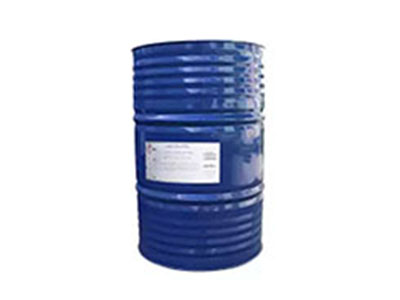
Standard Packaging
- Conventional export bulk order: 200kg sealed anti-corrosion iron drum with inner epoxy coating, 16 drums per 20ft full container load
- Large factory mass order: 1000L stainless steel IBC tote tank; customized private printed packaging labels available for long-term cooperative composite and adhesive manufacturers
Safe Storage Conditions
- Store KH-792 liquid in cool, dry, fully ventilated enclosed warehouse, storage temperature controlled below 30°C
- Keep all drums and IBC tanks tightly sealed to prevent moisture absorption and premature silane hydrolysis; strictly isolate from strong acids, oxidants, ketone solvents (acetone) and edible chemical raw materials
- Avoid long-term direct sunlight exposure which will cause slight liquid color deepening and partial loss of amino reactive activity; separate storage with isocyanate raw materials to prevent accidental cross-reaction
International Trade & Shipping Service
7. FAQ Section
Q1: What is KH-792 silane coupling agent mainly used for? What makes it different from single-amino silane like KH-550?
A: KH-792 is a dual-amino functional silane coupling agent used as core adhesion promoter. It primarily strengthens bonding between inorganic fillers/substrates (glass fiber, metal, silica) and organic polymers (epoxy, PU, plastic resins), applied in FRP composites, metal adhesives, anti-corrosion coatings and mineral-filled modified plastics. Compared with KH-550 single-amino silane, KH-792 owns two reactive amino groups, delivering stronger crosslink reactivity and higher water/humidity resistance for finished composite products.
Q2: What unique production advantages does your KH-792 silane coupling agent manufacturing factory own compared with other organosilicon suppliers?
A: Our factory covers a total area of 100 acres, with 150 skilled production workers and 30 full-time professional technical R&D engineers. We maintain long-term joint research cooperation with multiple domestic Chinese universities and chemical environmental research institutes, dedicated to green low-emission catalytic synthesis process optimization for KH-792 and a full series of silane coupling agents. Our R&D team continuously upgrades product purity indicators to lower free amine and volatile methanol residues, and develops closed-loop recycling treatment technology for production wastewater and solid waste catalyst residues, providing high-stability eco-compliant KH-792 and free composite formulation technical support for global polymer manufacturers.
Q3: Is your KH-792 silane coupling agent EU REACH registered for bulk export to European composite and coating factories?
A: Yes, our KH-792 substance holds complete ECHA EU REACH registration dossier with authorized EU Only Representative (OR). We can provide full batch SVHC test reports, low-VOC environmental certification and official compliance declaration to support smooth customs inspection in all EU member countries without detention risks.
Q4: What negative impacts will excessive free amine and methanol impurities in KH-792 bring to finished composite and coating products?
A: Excess free amine residues will cause coating film yellowing, accelerate resin premature curing and reduce long-term weather resistance of finished products; high methanol volatile content increases workshop VOC emissions and leads to tiny pinholes inside composite materials during molding. Our KH-792 strictly controls purity ≥97% and ultra-low volatile impurities to completely avoid such production defects.
Q5: Can I get free lab test samples of KH-792 silane coupling agent before bulk order? Do you offer volume wholesale discount?
A: We supply small lab trial samples of KH-792 for composite, adhesive and coating formula testing and interfacial bonding performance verification. Competitive preferential unit prices are provided for long-term cooperative large FRP factories, adhesive manufacturers and global chemical distributors. Our 30-person professional technical team offers free customized silane dosage optimization guidance for glass fiber reinforcement, metal coating, plastic filler modification and electronic insulation different production scenarios.
Q6: What is the shelf life of sealed KH-792 liquid? What storage risks should be noticed?
A: Under tightly sealed cool, dry and ventilated warehouse storage conditions, the shelf life of KH-792 reaches 18 months. KH-792 hydrolyzes rapidly once exposed to moisture, loose packaging will lose coupling activity and produce siloxane precipitates. It must be stored separately from ketone solvents, strong acids and isocyanate raw materials to prevent irreversible chemical reaction deterioration.