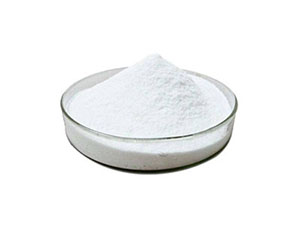
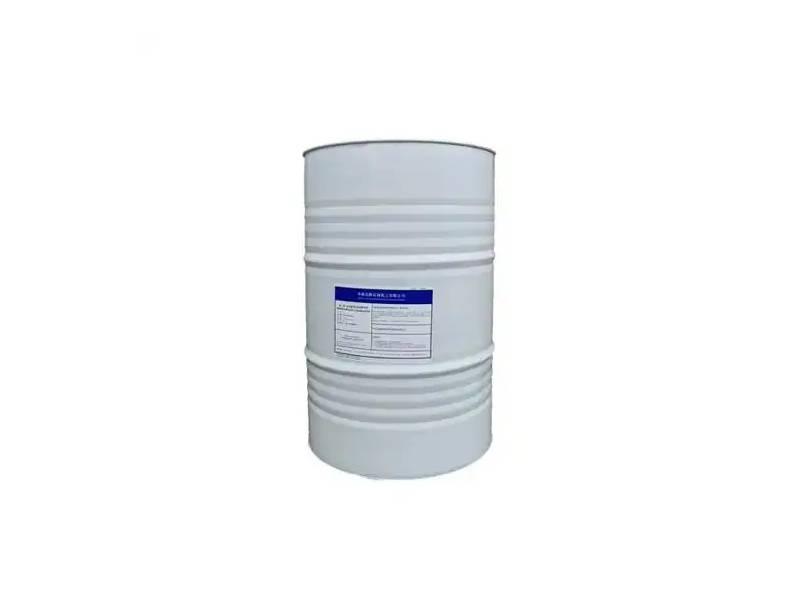
Propylene Glycol
CAS: 57-55-6
Content: 99%
Use: Solvent
Package: 200kg drum
Origin: China
Tags: PG, CAS 57-55-6, Propylene glycol from China, China propylene glycol supplier
Contact us
- No.420 Zhonghua Road,Qinghuai District, Nanjing,China 210001
- 008618005174481
- Mr.Sam
- sales@nanjingchem.com

Product Introduction
Propylene Glycol (PG) CAS 57-55-6
Industrial & USP Pharma Grade Multi-Purpose Solvent & Base Chemical Raw Material
1. Introduction
Propylene Glycol, commonly abbreviated as PG, is a low-toxicity aliphatic diol organic chemical raw material with CAS number 57-55-6. It exists as a colorless, odorless, slightly sweet viscous liquid with excellent miscibility with water, ethanol, ether and most organic solvents. We supply two complete standard grades: industrial grade PG for general chemical manufacturing and solvent applications, and high-purity USP pharmaceutical grade PG that meets strict global medical, food and cosmetic safety standards.
Our professional Propylene Glycol production factory covers a total land area of 100 mu, equipped with full-set continuous hydration synthesis lines, independent high-precision distillation purification workshops, central quality control laboratory and standardized waste water & solid waste disposal stations. Our team consists of 150 skilled frontline production workers and 30 full-time professional technical engineers, responsible for on-line production control, product purification R&D, full-batch inspection and environmental waste recycling treatment separately. We maintain long-term joint research cooperation with multiple universities and chemical environmental research institutes, focusing on green catalytic synthesis technology optimization for Propylene Glycol. Our joint R&D projects focus on three core directions: lowering by-product generation to lift PG purity, cutting energy consumption and carbon emissions during distillation refining, and developing closed-loop harmless recycling processes for production wastewater and solid waste residues. Both industrial and pharmaceutical grade PG from our factory features stable purity, ultra-low heavy metal and residual catalyst content, fully matching formulation demands of coating, cosmetic, pharmaceutical, food and fine chemical manufacturers. We provide complete English export compliance documents, stable mass spot inventory and free formulation technical support for global chemical distributors, pharma factories, cosmetic manufacturers and coating processing enterprises.
2. Complete Technical Specification Sheet
2.1 USP Pharmaceutical Grade Propylene Glycol (Pharma PG)
| Test Item | Standard Specification | Testing Standard |
|---|---|---|
| Chemical Name | Propylene Glycol (PG) | USP-NF, ASTM E1064 |
| CAS Number | 57-55-6 | — |
| EINECS Number | 200-338-0 | — |
| Molecular Formula | C₃H₈O₂ | — |
| Molecular Weight | 76.09 g/mol | — |
| Appearance | Colorless transparent viscous liquid, odorless | Visual & Olfactory Inspection |
| Purity (GC Assay) | ≥ 99.80 % | Gas Chromatography |
| Water Content | ≤ 0.10 % | Karl Fischer Titration |
| Acidity (as Acetic Acid) | ≤ 0.001 % | Acid-base Titration |
| Heavy Metals (Pb) | ≤ 1 ppm | Atomic Absorption Spectrometry |
| Ash Residue | ≤ 0.005 % | High Temperature Ignition Test |
| Refractive Index (20°C) | 1.431 ~ 1.433 | Refractometer Test |
| Compliance | USP, FDA Food Contact, EU REACH, ISO9001 | Global Medical & Food Chemical Standards |
2.2 Industrial Grade Propylene Glycol (Industrial PG)
| Test Item | Standard Specification | Testing Standard |
|---|---|---|
| Appearance | Colorless transparent viscous liquid | Visual Inspection |
| Purity (GC Assay) | ≥ 99.50 % | Gas Chromatography |
| Water Content | ≤ 0.20 % | Karl Fischer Titration |
| Acidity | ≤ 0.003 % | Titration Method |
| Distillation Range (185–189°C) | ≥ 95 % Vol | Distillation Test |
| Chroma (Hazen) | ≤ 10 APHA | Colorimeter Test |
| Compliance | EU REACH Registered, ISO9001, Industrial Chemical Import Standard | ECHA Industrial Regulation |
3. Our Factory Profile & R&D Green Manufacturing Strength
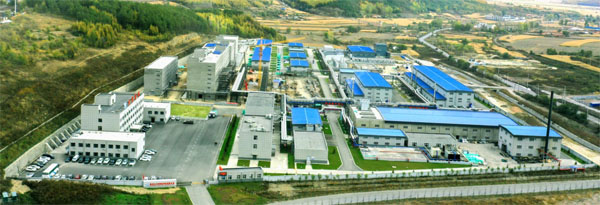
3.1 Factory Scale & Staff Allocation
- Total factory land coverage: 100 mu, fully sealed automated continuous production workshops with waste gas recovery system, classified wastewater treatment tank group and solid waste resource recovery warehouse.
- Production staff: 150 skilled full-shift workers for raw material feeding, hydration synthesis, multi-stage distillation, filtration and automatic drum filling, with real-time online process monitoring.
- Technical team: 30 full-time professional technical personnel covering green catalyst R&D, purification process adjustment, full-item batch inspection, wastewater desalination circulation treatment and downstream formulation application research.
- Strict quality management: Every batch of PG undergoes full GC index testing before delivery; pharmaceutical grade adopts secondary deep distillation to strictly control heavy metal and trace impurity content, eliminating safety risks for medical and food applications.
3.2 Long-term University & Research Institute Joint R&D Cooperation
- Green catalytic synthesis process improvement: Optimize low-energy non-toxic catalyst systems to reduce side diol by-product output, lower steam and power consumption during production, cut overall carbon footprint.
- Dual-grade product quality upgrading: Develop precision vacuum distillation technology to minimize residual catalyst, aldehyde and heavy metal impurities, meet ultra-strict purity standards of pharmaceutical & food grade PG, while stabilizing cost-efficient indicators for industrial grade.
- Full-cycle waste harmless & recycling treatment: Research wastewater membrane separation, distillation residual liquid recovery and solid waste catalyst regeneration technology, realize near-zero pollutant discharge, fully satisfy EU CBAM carbon audit and cross-border environmental inspection requirements.
3.3 Core Factory Competitive Advantages
- Dual-grade one-stop supply: Same production base supplies both industrial PG and USP pharma PG, supporting mixed bulk orders for clients with multi-scenario production lines.
- Stable batch consistency: Automated closed distillation equipment avoids manual operation deviation, chroma, purity and water content indicators stay uniform across all shipments.
- Complete multi-region compliance archives: Possess FDA food contact certification, USP qualification and full REACH registration documents, no customs detention risks for shipments to Europe, North America, Southeast Asia and Australia.
4. Core Product Advantages of Our Propylene Glycol (PG)
- Outstanding universal solvent performance: PG has strong dissolving capacity for resins, pigments, flavors, active pharmaceutical ingredients and cosmetic raw materials, compatible with aqueous and oil-based systems, reducing auxiliary solvent dosage for downstream manufacturers.
- Dual grade differentiated quality control: Industrial grade balances cost and basic purity for coating, detergent and plastic synthesis; USP pharma grade implements secondary ultra-purification with ultra-low heavy metal residues, safe for oral medicine, injection auxiliary solvent and food additive production.
- Eco-friendly low-carbon green manufacturing: Supported by university joint R&D low-energy catalytic technology, less waste discharge and lower organic residual, fully compliant with global REACH, RoHS and food/medical chemical regulatory standards.
- Customized one-stop technical service: Our 30-person professional technical team provides free formulation matching guidance for coatings, cosmetics, pharmaceutical excipients, food humectants and plastic raw material synthesis according to clients’ production equipment and finished product standards.
- Reliable large-volume flexible supply capacity: Continuous distillation production lines guarantee sufficient monthly spot inventory, supporting small lab trial sample delivery, 20ft/40ft full-container bulk orders and IBC tote bulk shipment for large factories.
5. Main Industrial Applications of Propylene Glycol (PG)
5.1 Industrial Grade PG Core Applications
- Coating & Ink Solvent: Diluent and film-forming auxiliary solvent for water-based resin coatings, printing inks, anti-corrosion paints and architectural coatings, improving leveling and drying performance of finished paint films.
- Fine Chemical Synthetic Raw Material: Key feedstock for manufacturing unsaturated polyester resins, plasticizers, emulsifiers, surfactant and antifreeze agents for industrial equipment and pipeline systems.
- Detergent & Cleaning Agent Raw Material: Solvent and humectant for industrial degreasers, textile printing & dyeing leveling agents and water-based cleaning formulations.
- Plastic & Composite Additive: Humectant and plasticizer auxiliary for biodegradable plastics, PVC composite materials and fiber processing aids.
5.2 USP Pharmaceutical Grade PG Core Applications
- Pharmaceutical Excipient & Solvent: Universal carrier solvent for oral liquid medicine, topical ointments, injection auxiliary solvent, suspending agent and humectant for pharmaceutical formulations, compliant with global pharmacopoeia standards.
- Cosmetic & Personal Care Raw Material: Safe humectant and solvent for facial cream, lotion, shampoo, perfume essence and skin care serums, delivering mild moisturizing effect without skin irritation.
- Food & Beverage Additive Carrier: Approved humectant, anti-freeze agent and flavor solvent for food additives, candy, beverage essences and food anti-caking formulations, fully meeting FDA food contact regulations.
- Disinfectant & Antiseptic Raw Material: Solvent carrier for medical alcohol disinfectants, skin antiseptic sprays and household sanitizer production.
6. Packaging, Storage & International Shipping Guidelines
Standard Packaging
- Small batch industrial & pharma grade: 215kg sealed anti-corrosion iron drum with inner epoxy coating, 16 drums per 20ft full container load
- Large factory bulk order: 1000L stainless steel IBC tote tank; customized private label printing available for long-term cooperative enterprises
Safe Storage Conditions
- Store Propylene Glycol liquid in cool, dry, well-ventilated enclosed warehouse, storage temperature controlled below 35°C
- Keep all drums and IBC tanks tightly sealed to prevent water absorption and volatile impurity contamination; isolate from strong oxidants, strong acids and open flame heat sources
- Avoid long-term direct sunlight exposure which may cause slight color deepening; separate food/pharma grade PG drums from industrial grade storage zones to prevent cross-contamination
International Trade & Shipping Service
Propylene Glycol is classified as non-hazardous general industrial liquid chemical for sea, road and railway transportation. We provide full complete customs clearance document package including GC Certificate of Analysis, full English MSDS, USP/FDA compliance certificate, EU REACH registration supporting documents, packing list and commercial invoice. Available trade terms: FOB, CFR, CIF, DAP. Stable spot stock ensures shipment within 7–10 working days after deposit confirmation.
7. FAQ
Q1: What is Propylene Glycol (PG) mainly used for? What are the two available grades?
A: Propylene Glycol abbreviated PG is a multi-purpose organic solvent and core chemical synthetic raw material. We supply two standard grades: industrial grade PG and USP pharmaceutical grade PG. Industrial PG is widely used as solvent for coatings, printing inks, industrial detergents and polyester resin synthesis. USP pharma grade PG serves as safe excipient solvent for pharmaceuticals, humectant for cosmetics and carrier additive for food and beverage production.
Q2: What are the production advantages of your Propylene Glycol manufacturing factory compared with other suppliers?
A: Our factory covers a total area of 100 mu, equipped with 150 skilled production workers and 30 full-time professional technical R&D engineers. We cooperate with multiple universities and environmental research institutes to research green low-energy catalytic synthesis technology for Propylene Glycol. Our R&D team continuously optimizes product purity indicators for both industrial and pharma grades, and develops closed-loop recycling treatment solutions for production wastewater and solid waste residues, providing stable compliant dual-grade PG and free downstream formulation technical support for global buyers.
Q3: Is your Propylene Glycol EU REACH registered? Does pharmaceutical grade meet FDA and USP standards?
A: Yes. Our full series Propylene Glycol holds complete EU REACH registration with authorized EU Only Representative (OR). USP pharmaceutical grade PG fully complies with USP-NF monograph standards and FDA food contact requirements. We can provide complete SVHC test reports, pharmacopoeia qualification documents and environmental compliance archives to support smooth customs clearance in EU, USA, Australia and other developed regions.
Q4: What is the core difference between industrial grade PG and USP pharmaceutical grade PG? Can they replace each other?
A: USP pharma grade PG adopts secondary deep vacuum distillation purification, with stricter limits on heavy metals, aldehyde, catalyst residues and moisture content, suitable for medical, cosmetic and food direct contact scenarios. Industrial grade PG only implements primary distillation purification, with higher acceptable impurity limits for general industrial coating and plastic synthesis. They cannot be mutually substituted; food/medical production must adopt dedicated USP pharmaceutical grade PG to meet safety regulatory requirements.
Q5: Can I get free lab test samples of Propylene Glycol before bulk order? Do you offer volume wholesale discount?
A: We supply small lab trial samples of both industrial and pharma grade PG for clients’ formula verification and purity testing. Competitive preferential unit prices are offered for long-term cooperative large coating factories, pharmaceutical manufacturers and global chemical distributors. Our 30-person professional technical team provides free customized formulation optimization guidance according to different downstream production scenarios.
Q6: What is the shelf life of sealed Propylene Glycol liquid? What storage risks need attention?
A: Under tightly sealed cool and dry warehouse storage conditions, the shelf life of Propylene Glycol reaches 24 months. PG is highly hygroscopic; loose packaging will absorb moisture in the air to increase water content and affect formulation stability. It must be stored away from oxidants and high temperature environments to avoid slight chroma deepening.