
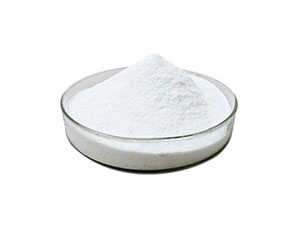
Sugar Esters (E473)
Specification: Food grade
Use: Food additive
Package: 25kg per bag
Origin: Made In China
Contact us
- No.420 Zhonghua Road,Qinghuai District, Nanjing,China 210001
- 008618005174481
- Mr.Sam
- sales@nanjingchem.com

Product Introduction
Sugar Esters (E473) — Sucrose Fatty Acid Esters Emulsifier
Product Overview
Sugar esters (E473), also known as sucrose esters of fatty acids, are non-ionic emulsifiers produced from sucrose and edible fatty acids. Each molecule carries a hydrophilic sugar head and a lipophilic fatty acid tail, so it stabilises oil-water systems, refines texture and extends shelf life. The additive is authorised as E473 under EU Regulation (EC) No 1333/2008, permitted as sucrose fatty acid esters under 21 CFR 172.859 in the United States, and meets JECFA specifications. CAS No. 37318-31-3.
Key Features
- Multi-functional: emulsifier, dispersant, solubiliser, stabiliser and starch anti-staling agent in one product
- Full HLB range (approx. 3–16), selected by fatty acid type (lauric, palmitic, stearic) and degree of esterification
- Effective across a wide pH range and in both hot and cold processes
- White powder or granules, odourless, mild taste, no off-flavour
- Plant-based; suitable for vegan, halal and kosher formulations
- Low irritation and readily biodegradable, well suited to personal care
Why Sugar Esters
Unlike polysorbates, sucrose esters are not ethoxylated and contain no trans fats. They tolerate high-temperature processing and keep flavours clean, and one product family with adjustable HLB can replace several emulsifiers in a single formulation.
Applications
- Bakery and confectionery: crumb softening, fat dispersion, anti-staling, glaze and sugar-shell adhesion
- Dairy and beverages: emulsion stabilising in coffee creamers, plant-based drinks and liquid concentrates
- Sauces, dressings, margarine and edible coatings
- Chocolate and compound coatings: viscosity and gloss control
- Cosmetics and personal care: creams, lotions, sun care; pharmaceutical ointments and tablet coatings
- Fresh-produce coatings, as permitted under 21 CFR 172.859
Grade Selection
Match the grade to your emulsion: lower-HLB stearates suit oil-based systems and fat crystallisation, while higher-HLB laurates and palmitates suit aqueous emulsions. Typical dosage is 0.1–1.0% of the formulation. Our technical team helps you confirm HLB, dosage and processing conditions before sampling.
Specification
| Item | Value |
|---|---|
| Appearance | White to off-white powder or granules |
| Assay (total sucrose esters) | min. 80% |
| Free sucrose | max. 5.0% |
| Acid value | max. 6.0 mg KOH/g |
| Sulphated ash | max. 2.0% |
| Shelf life | 24 months |
Packaging and Storage
25 kg kraft paper bags with inner PE liner, or 25 kg fibre drums. Store sealed in a cool, dry place away from direct sunlight. Shelf life is 24 months in unopened packaging.
Documentation A certificate of analysis, MSDS and technical data sheet accompany every shipment. Allergen, GMO, origin and non-GMO statements are available on request.
FAQ
What is E473? E473 is the EU code for sucrose esters of fatty acids, a plant-derived emulsifier used in food, cosmetic and pharmaceutical formulations.
Are sugar esters the same as sucralose? No. Sucralose is a high-intensity sweetener. Sugar esters are emulsifiers: they add no sweetness and no calories to the finished product.
What is the difference between E473 and E474? E474 (sucroglycerides) is a related additive based on sucrose and edible fats. E473 covers sucrose esters of fatty acids made from sucrose and fatty acid esters.
Can you supply samples? Yes. Send us your application, target HLB and market, and we will confirm a suitable grade, MOQ and lead time within 24 hours.
Request a Quotation Tell us your application and target HLB, and our team will reply with a quotation and a free sample offer within 24 hours.